
Carbonveneta develops and manufactures carbon fiber pultruded composites, designed for structural consolidation and restoration, to offer architects, engineers, and contractors reliable and certified solutions.
Carbonveneta develops and manufactures carbon fiber pultruded composites, designed for structural consolidation, to offer architects, engineers, and contractors reliable and certified solutions. reliable and certified solutions.

Whenever existing buildings and infrastructures are stressed by increasing loads or exposed to material degradation, consolidation works are required to restore their load-bearing capacity and ensure structural safety.
Carbonveneta offers cutting-edge solutions for structural restoration, in which technological innovation is combined with certified expertise.
Composite materials are now popularly used in all structural reinforcement and seismic retrofitting projects involving masonry, brick, stone or reinforced concrete buildings.
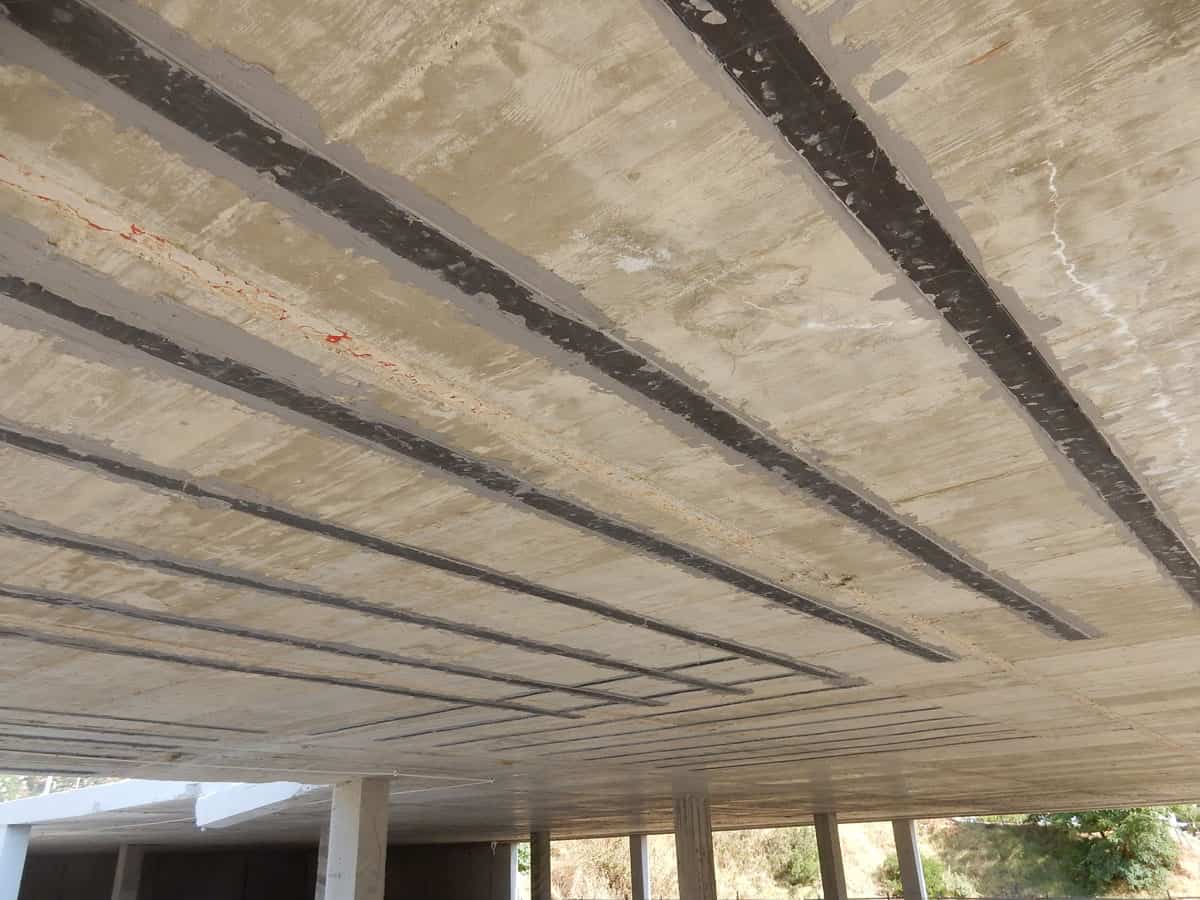
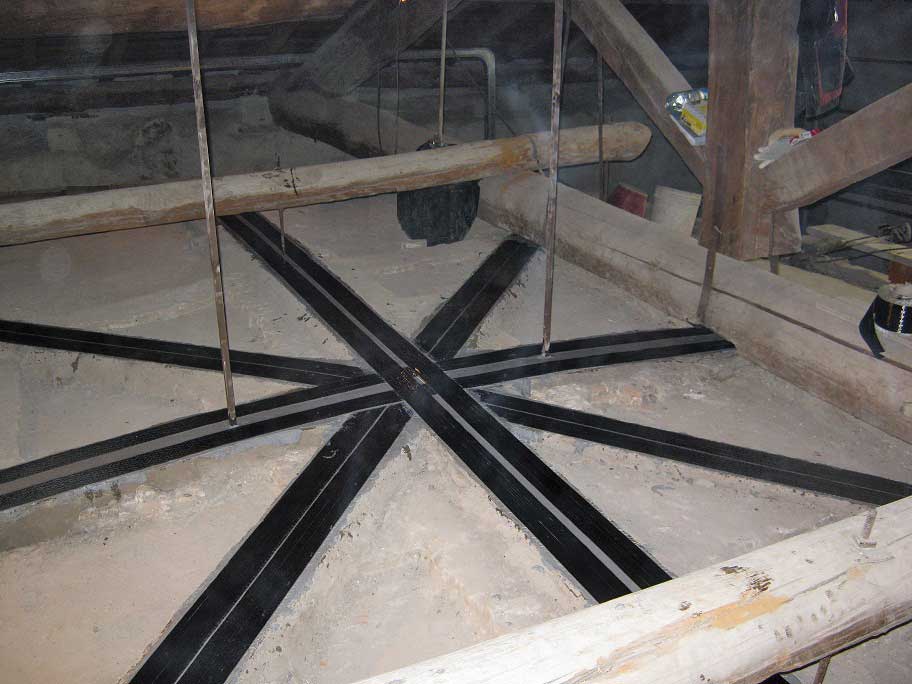
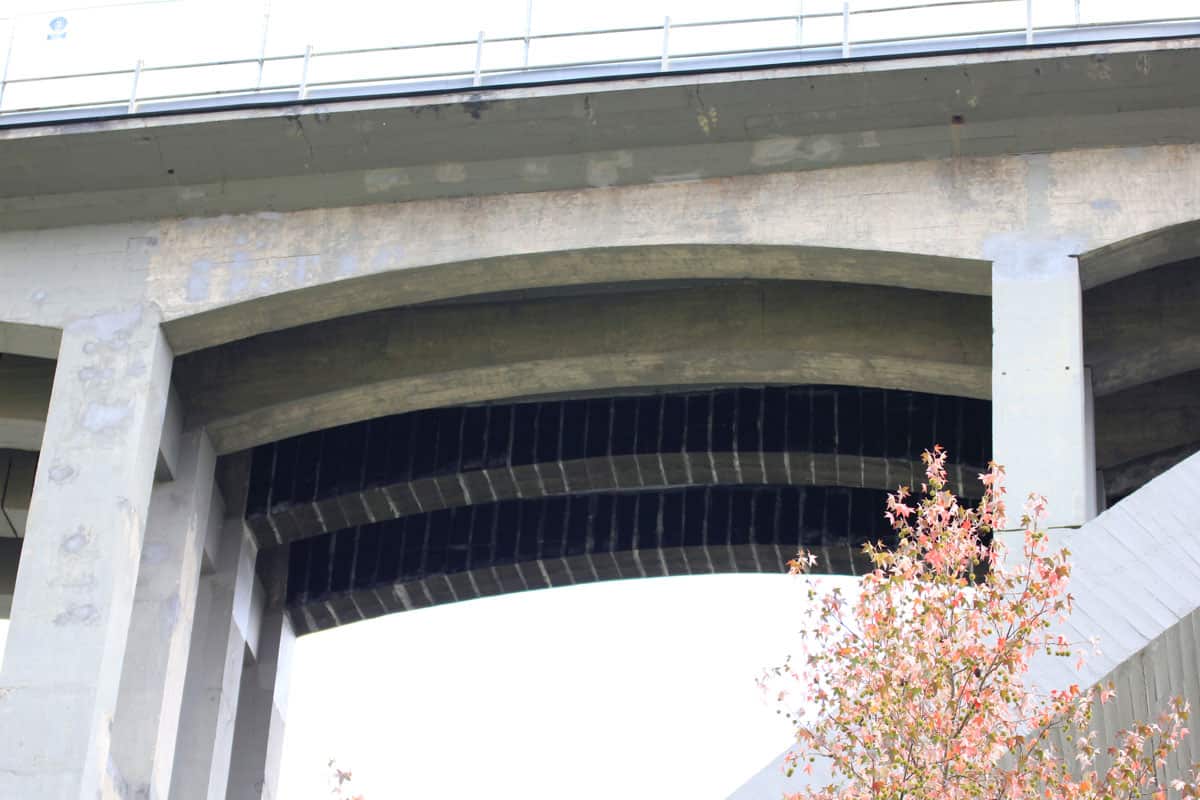
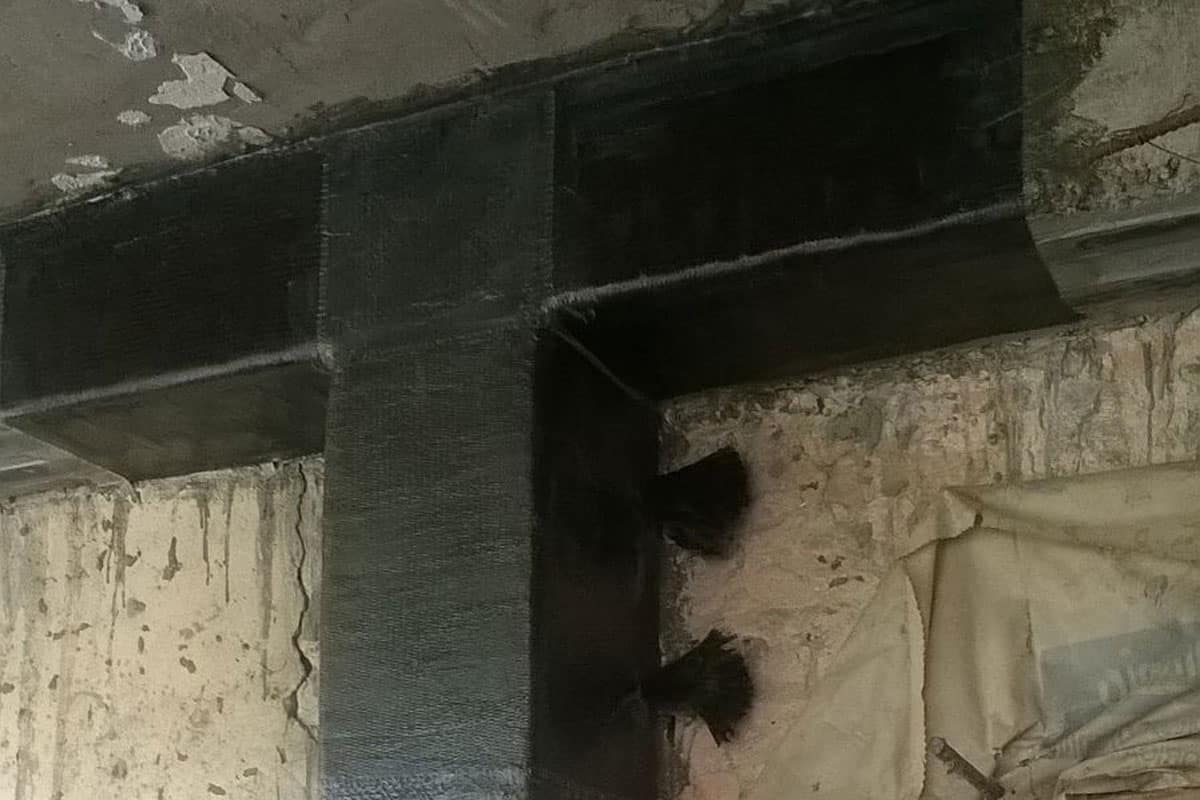
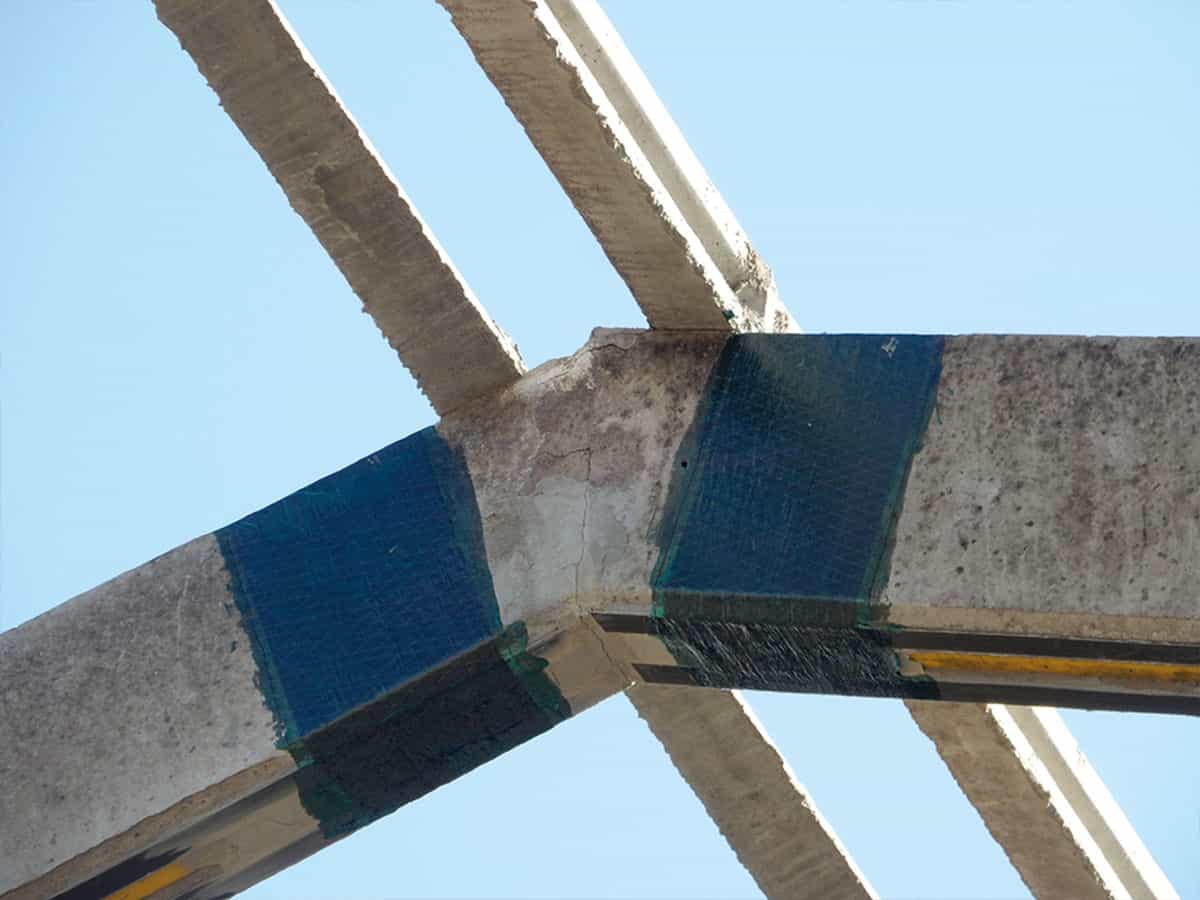
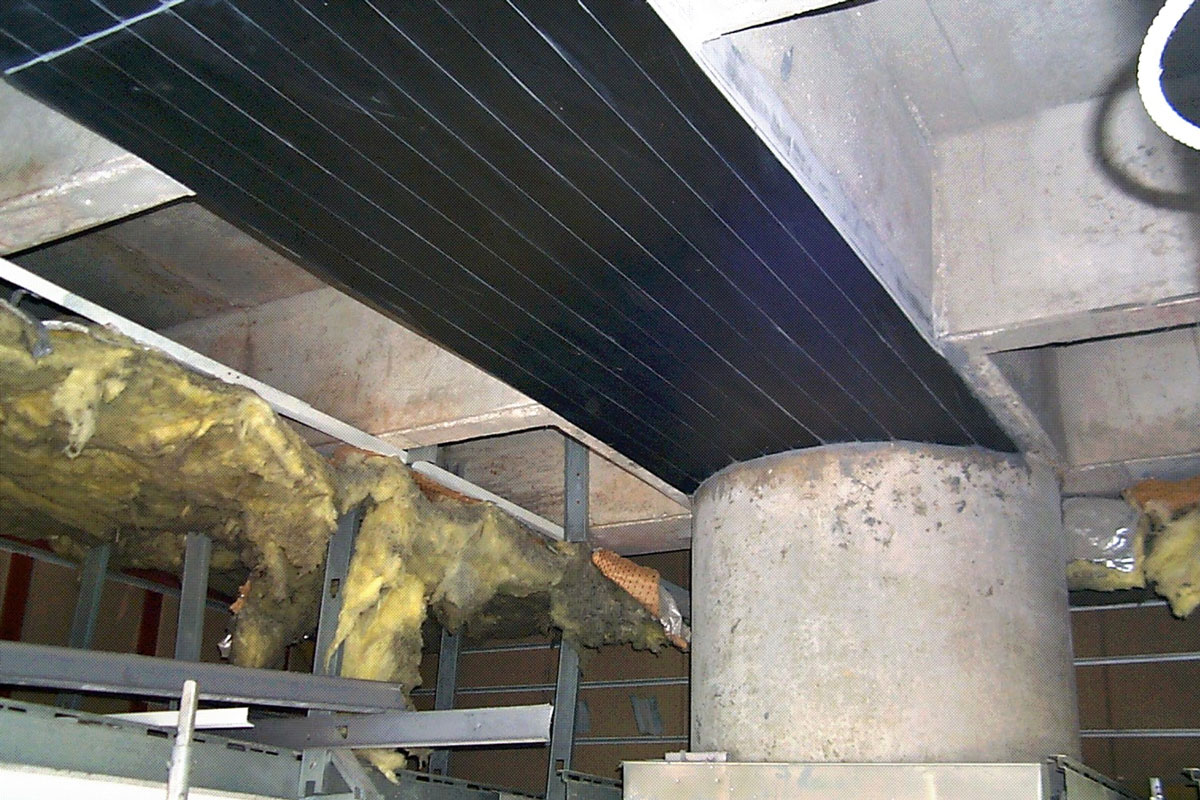
Nowadays, carbon fiber is one of the most advanced materials for structural reinforcement thanks to its stunning lightweight-strength ratio. Its superior mechanical properties combined with durability and easy installation make carbon the ideal choice for all applications where the load-bearing capacity needs to be enhanced, without significantly increasing the loads on the existing structures.
Nowadays, carbon fiber is one of the most advanced materials for structural reinforcement thanks to its stunning lightweight-strength ratio. Its superior mechanical properties combined with durability and easy installation make carbon the ideal choice for all applications where the load-bearing capacity needs to be enhanced, without significantly increasing the loads on the existing structures.
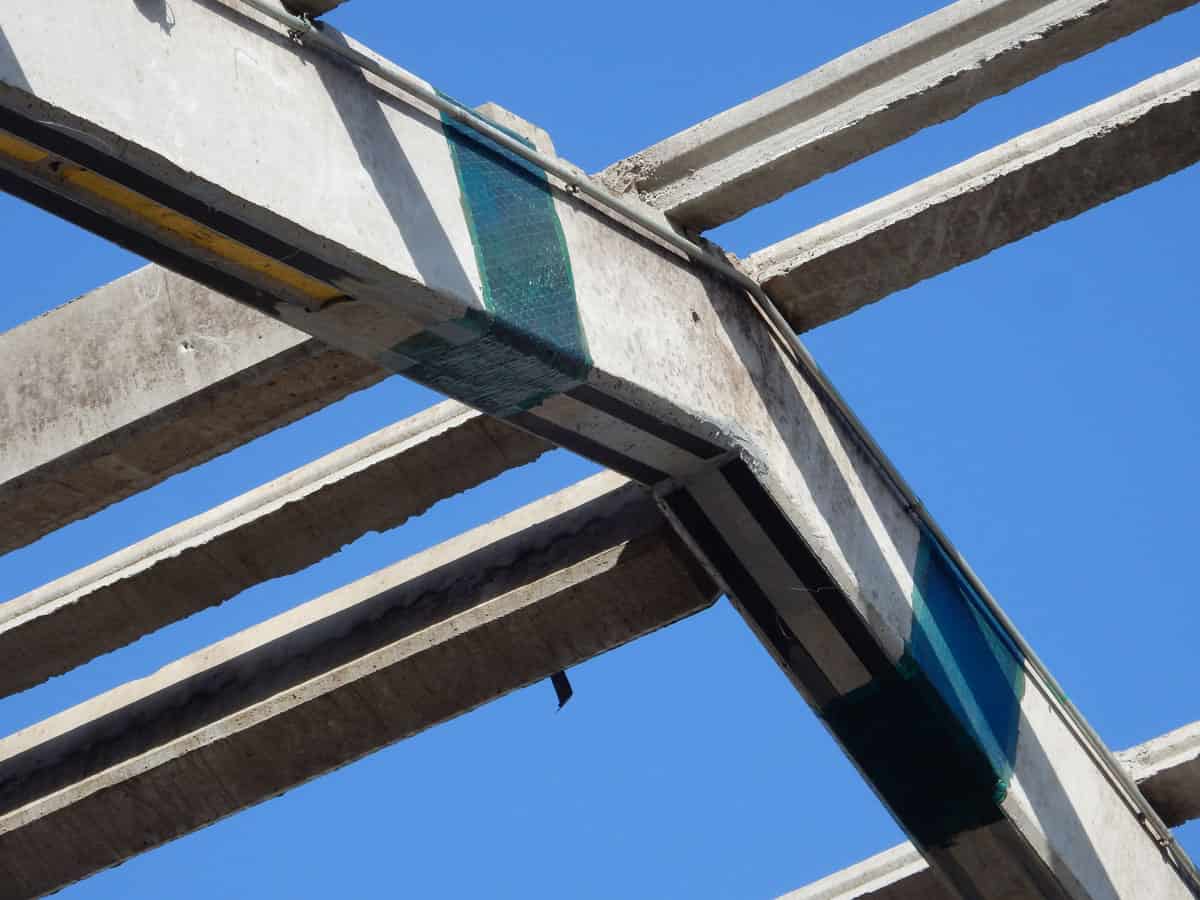
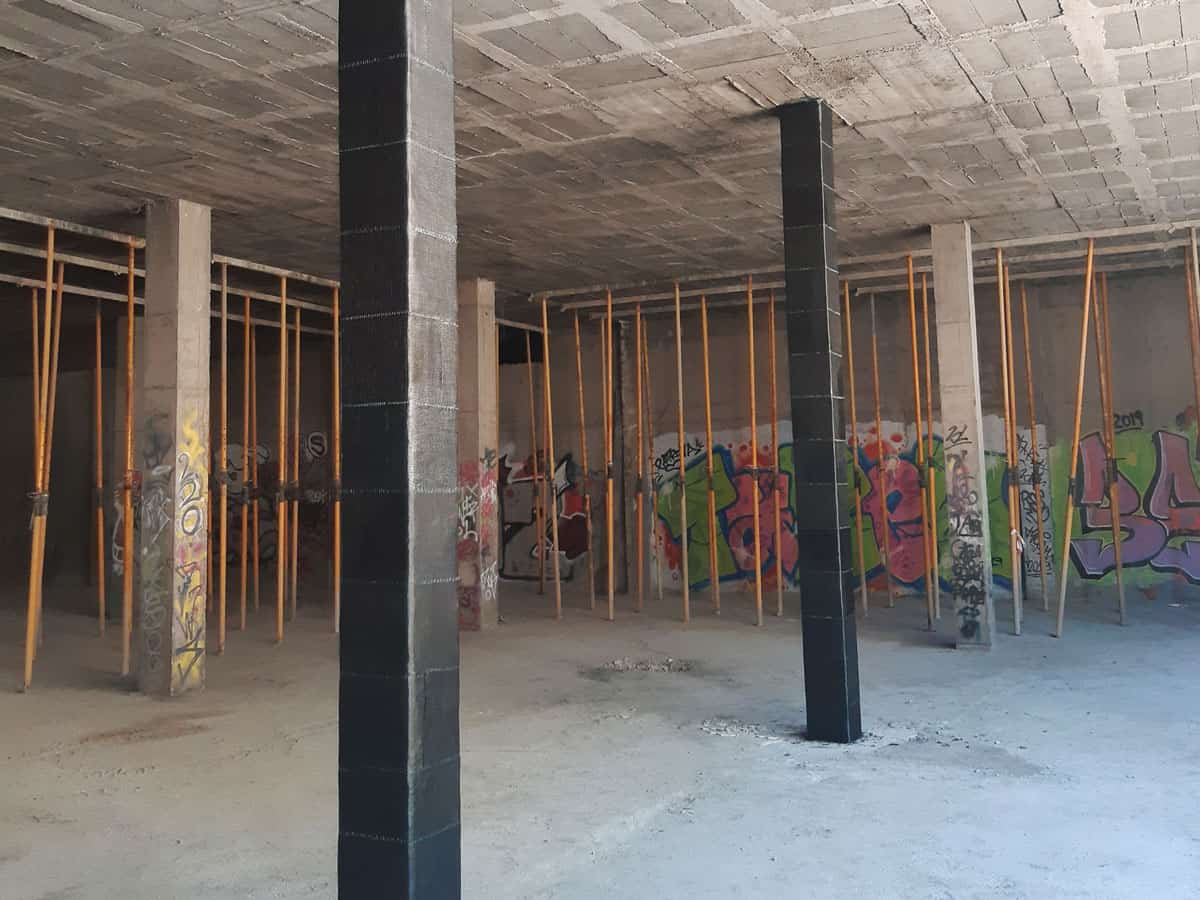
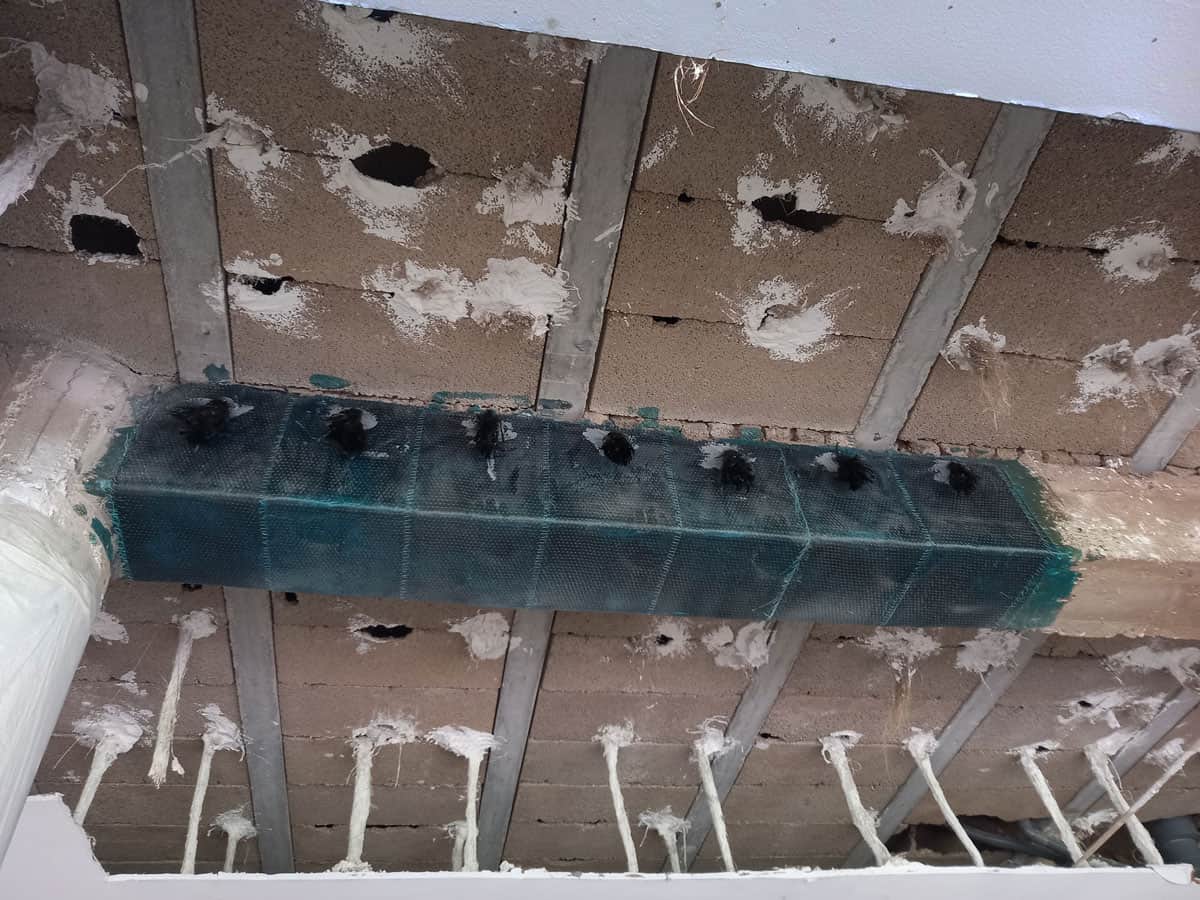
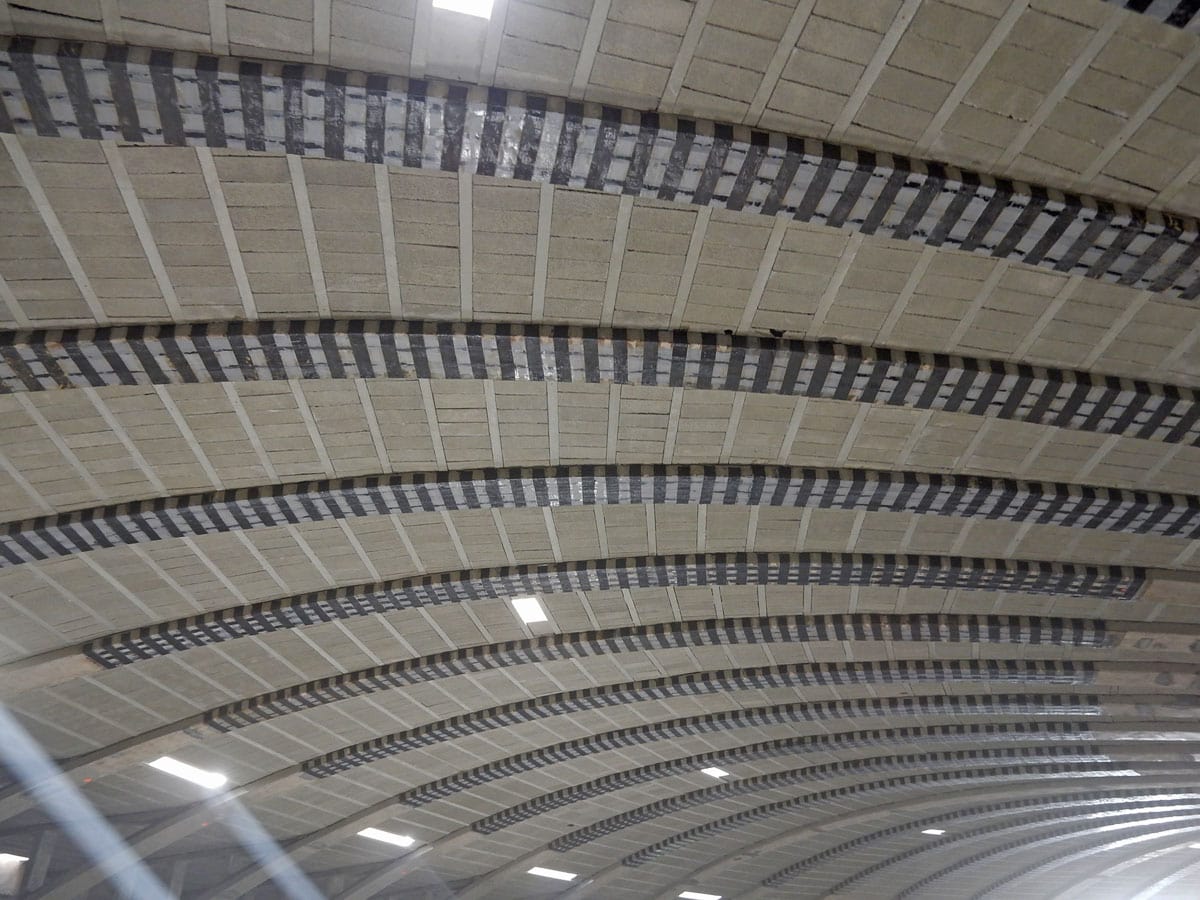




Application examples:
• Concrete Reinforcement
• Anti-seismic structures
• Excellent in general renovation
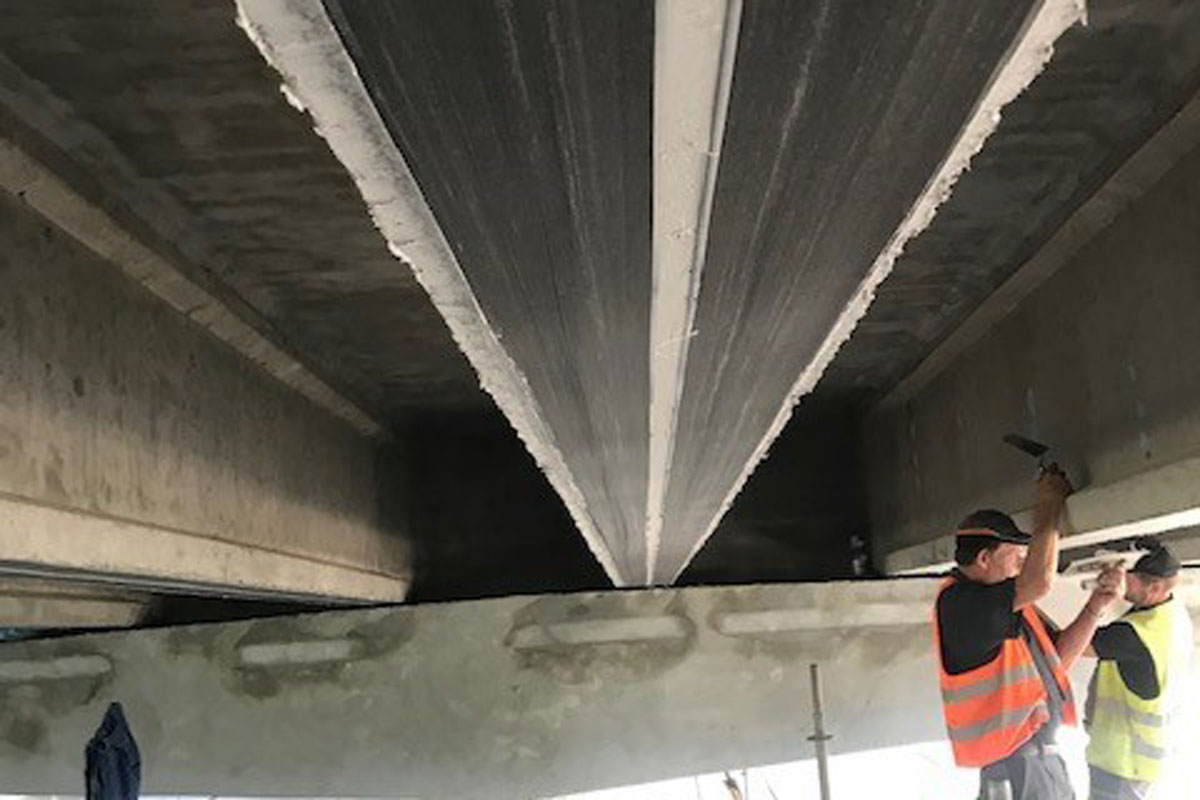
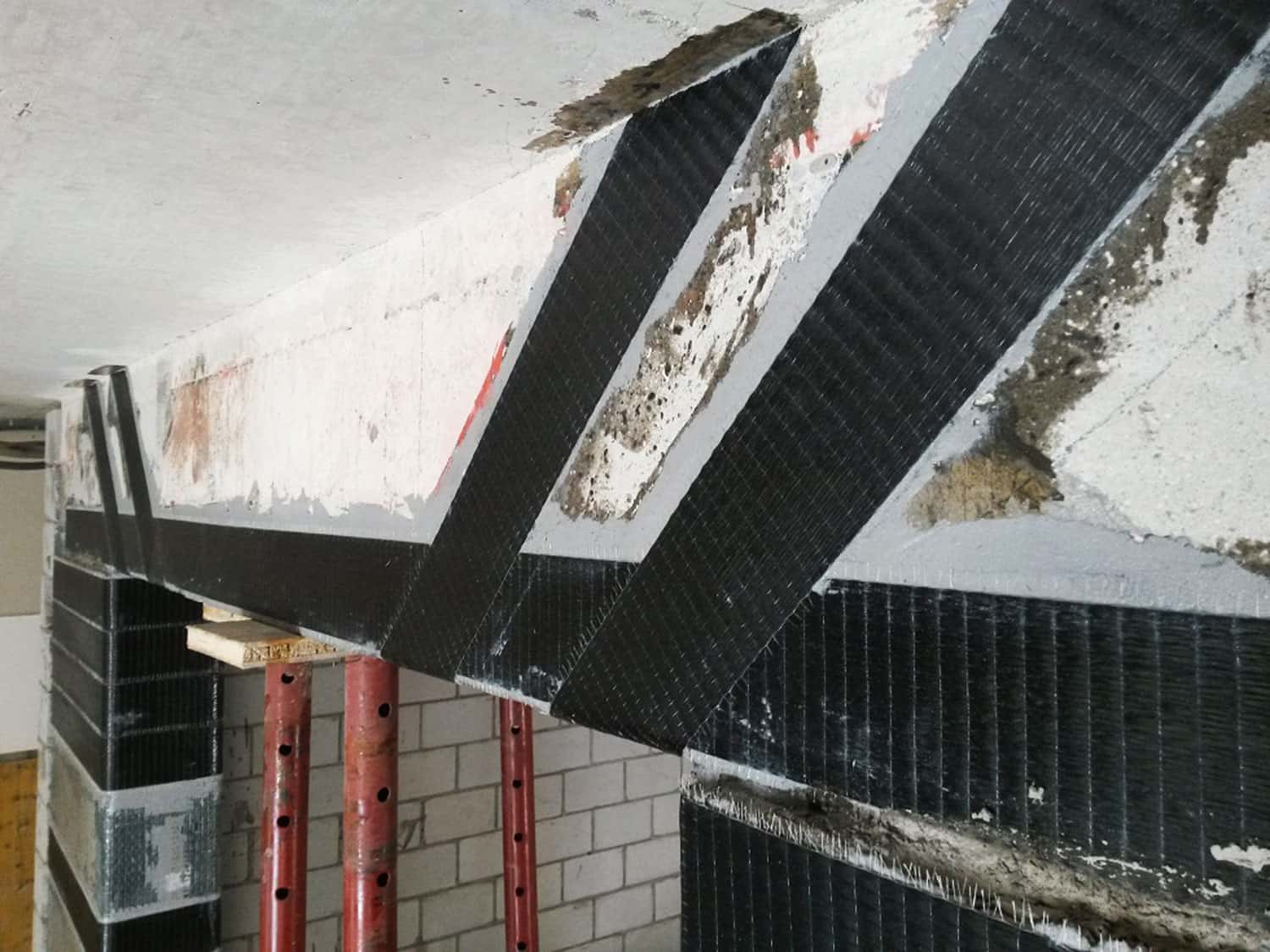
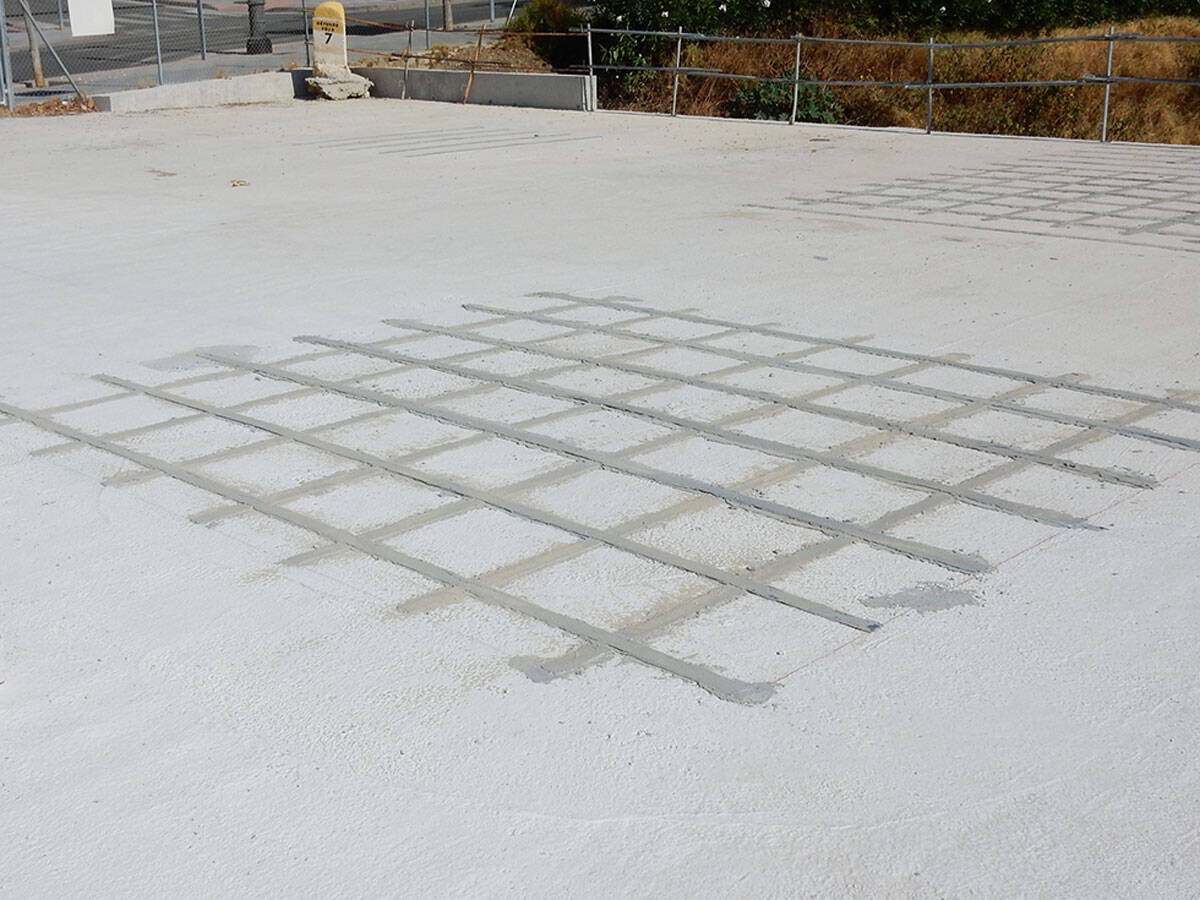
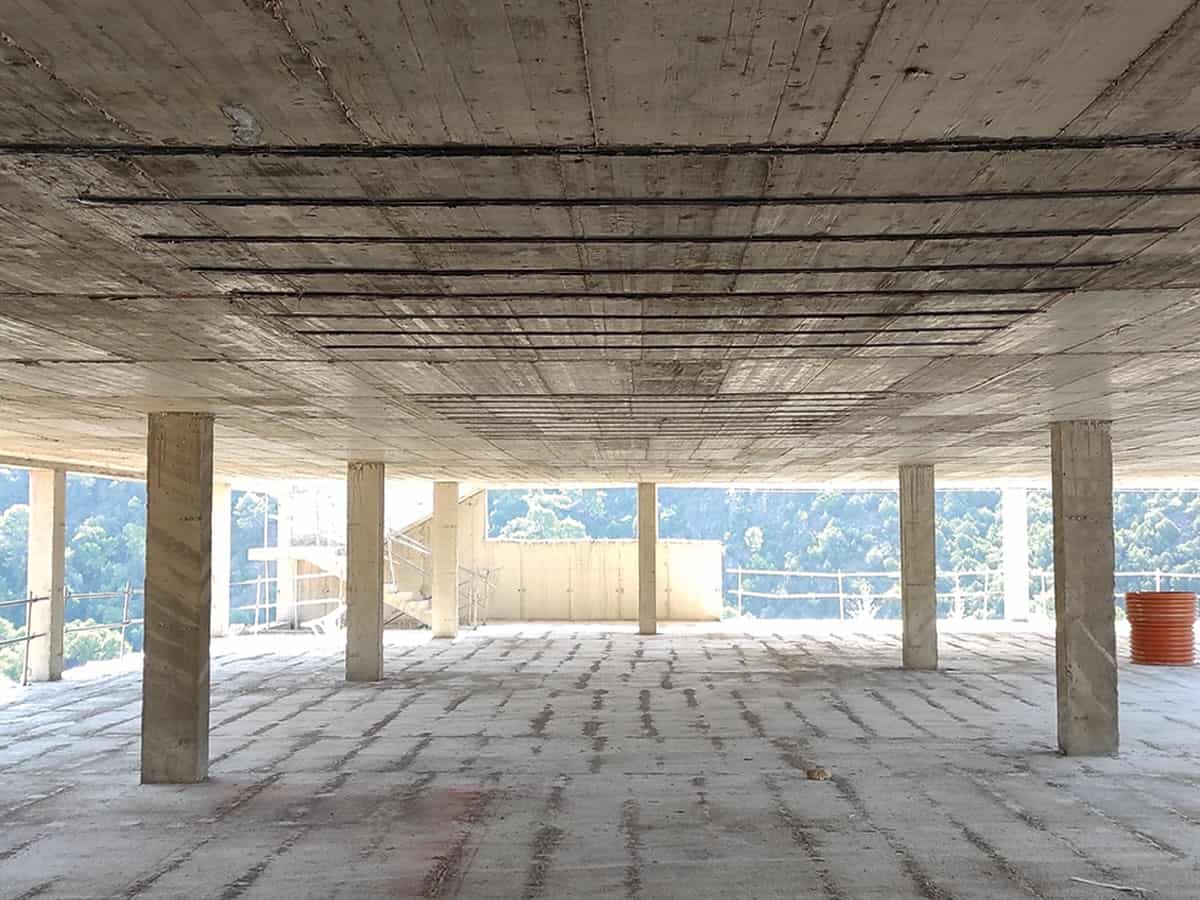
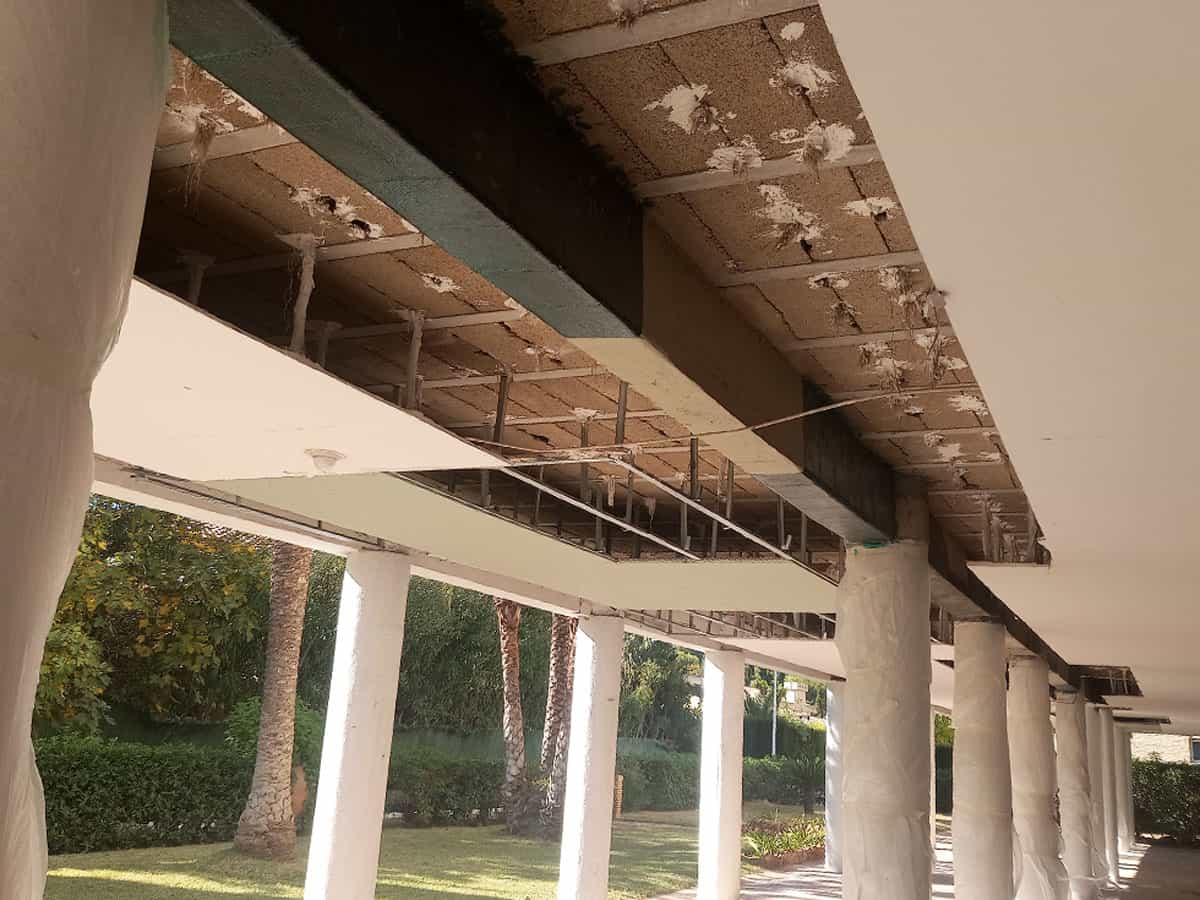
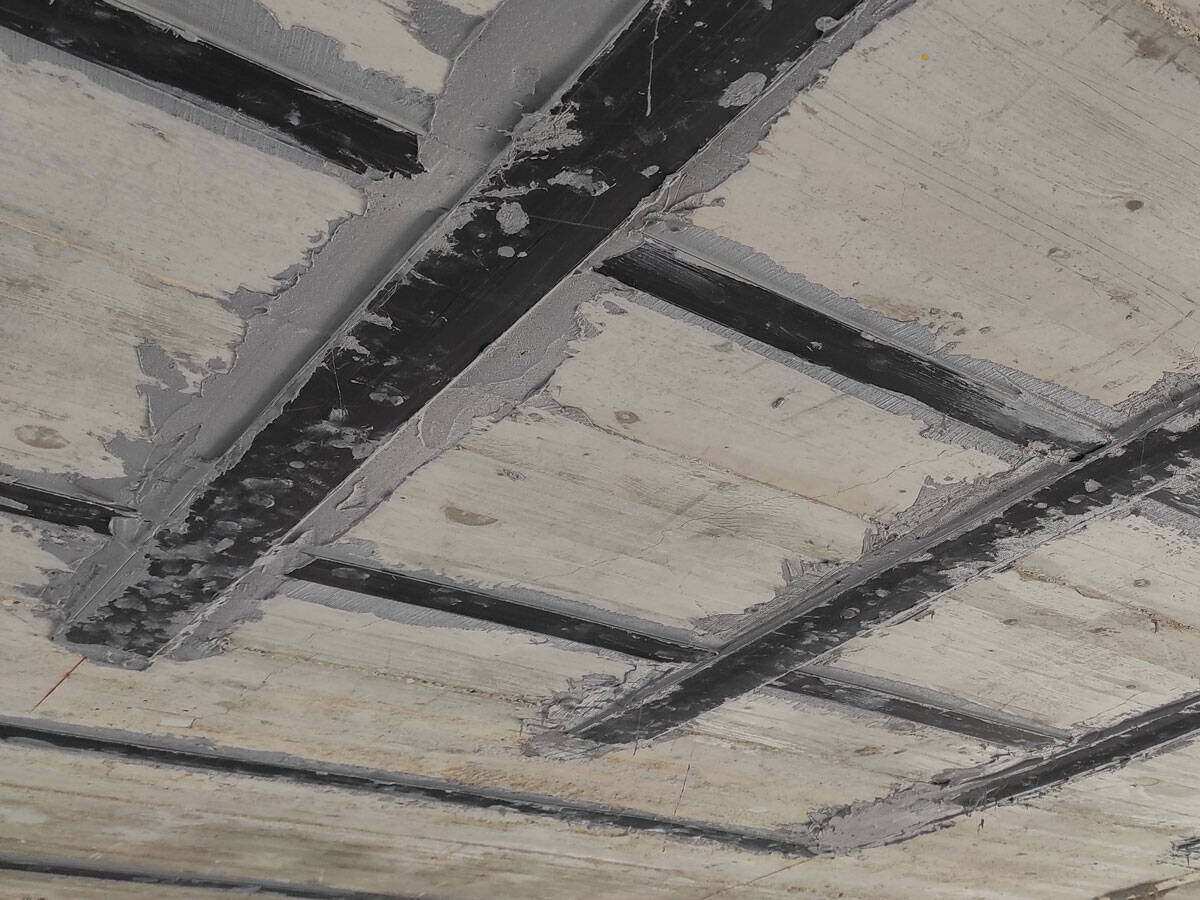
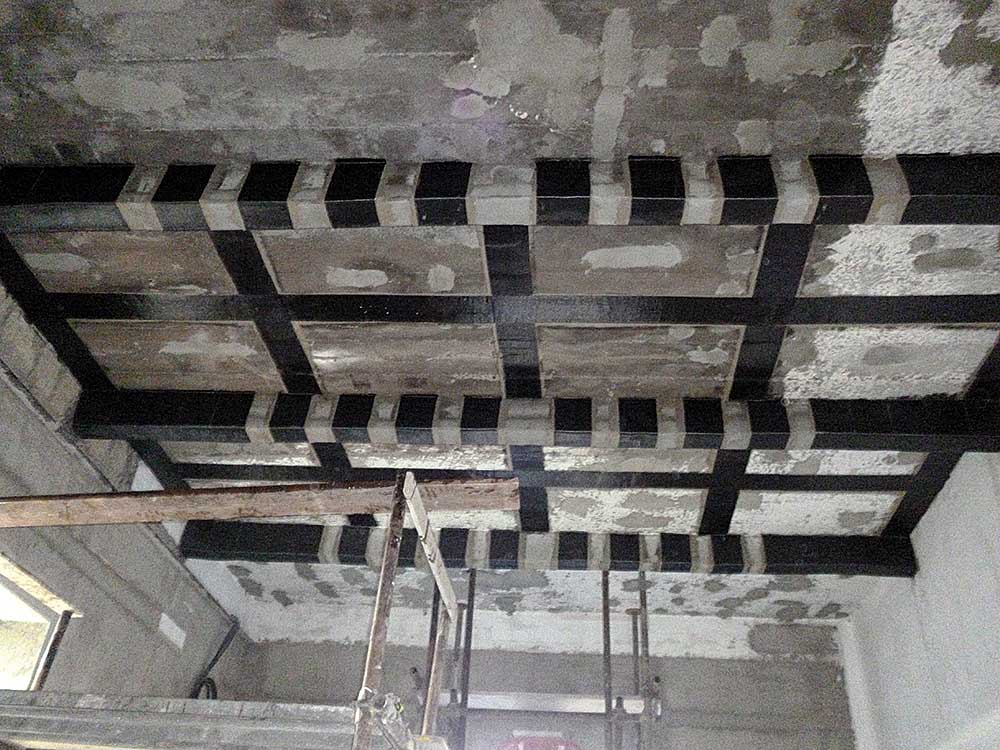
• Horizontal or oblique reinforcement for beams, slabs, roofs, domes
• Cantilever reinforcement for terraces or similar
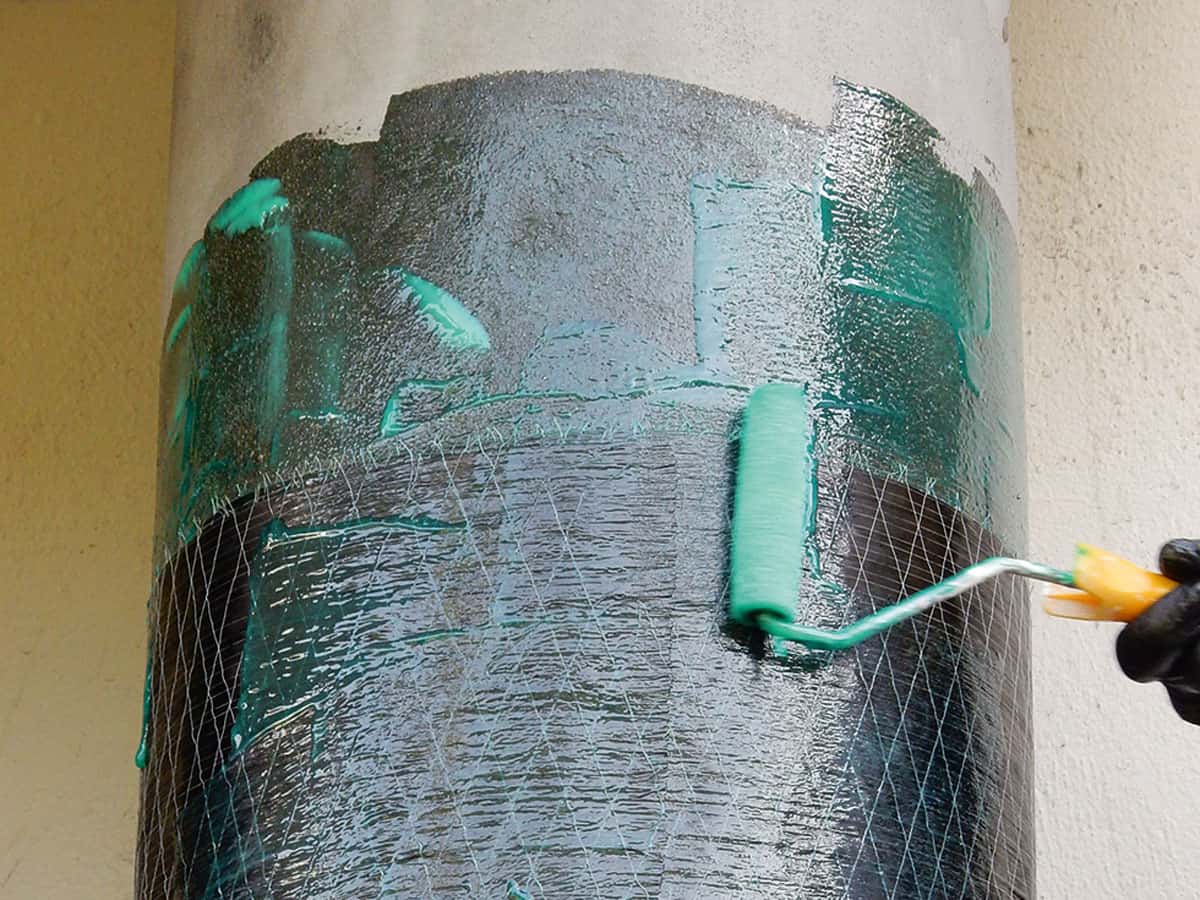
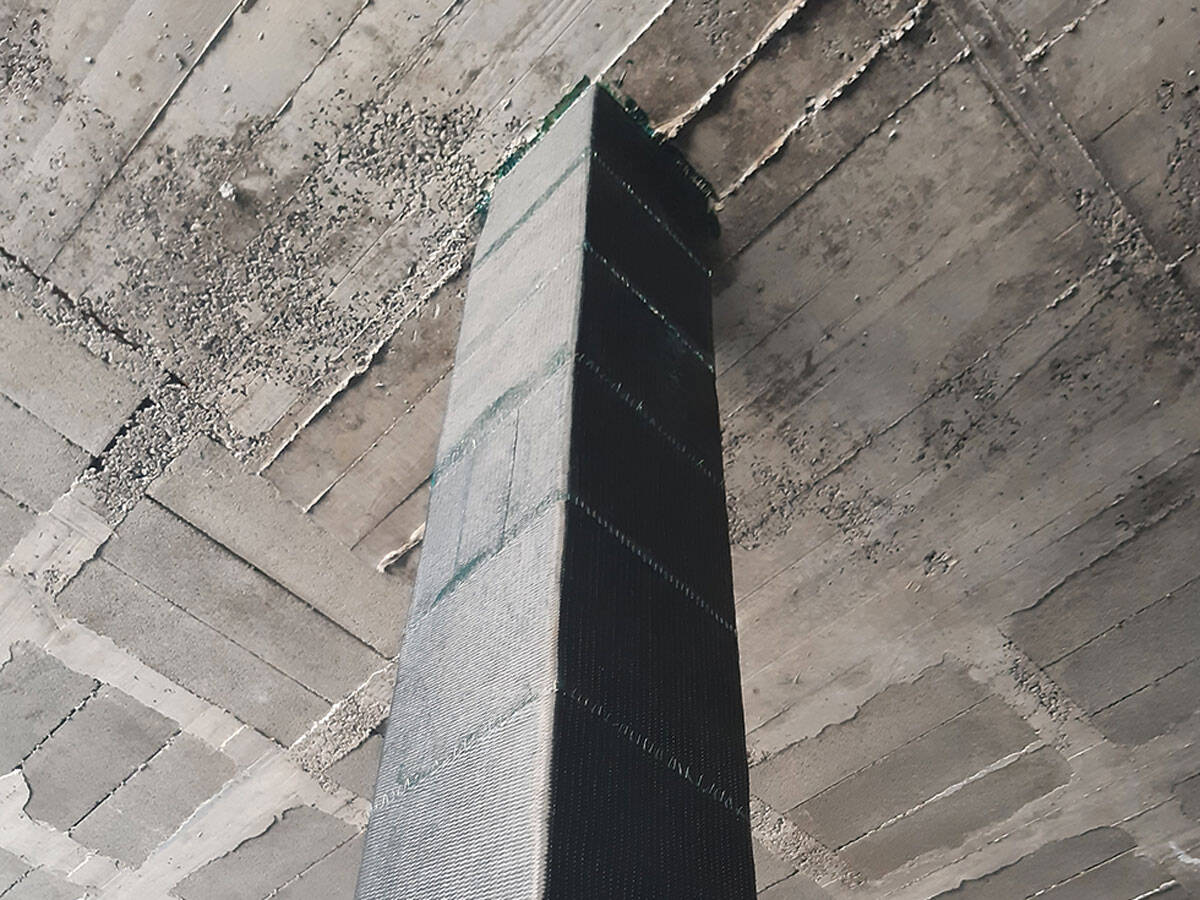
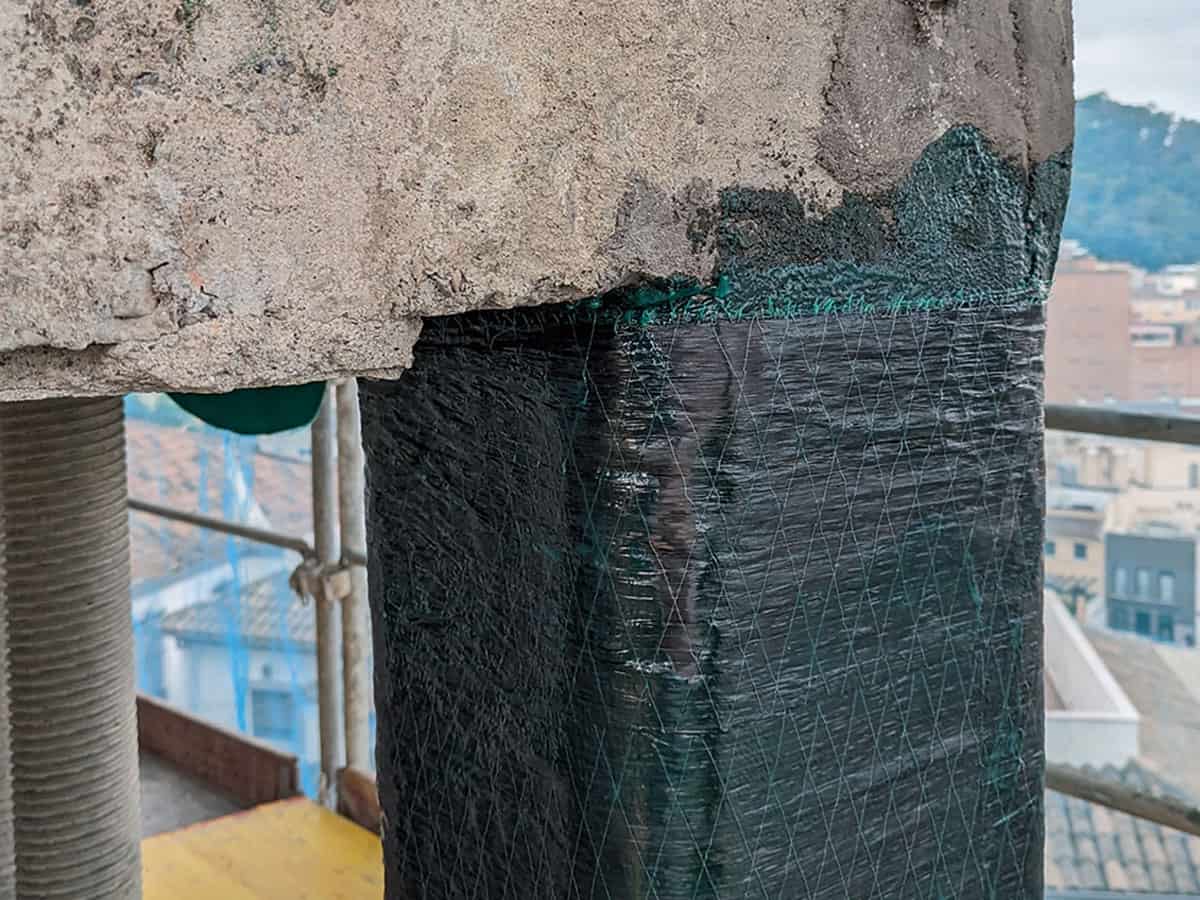
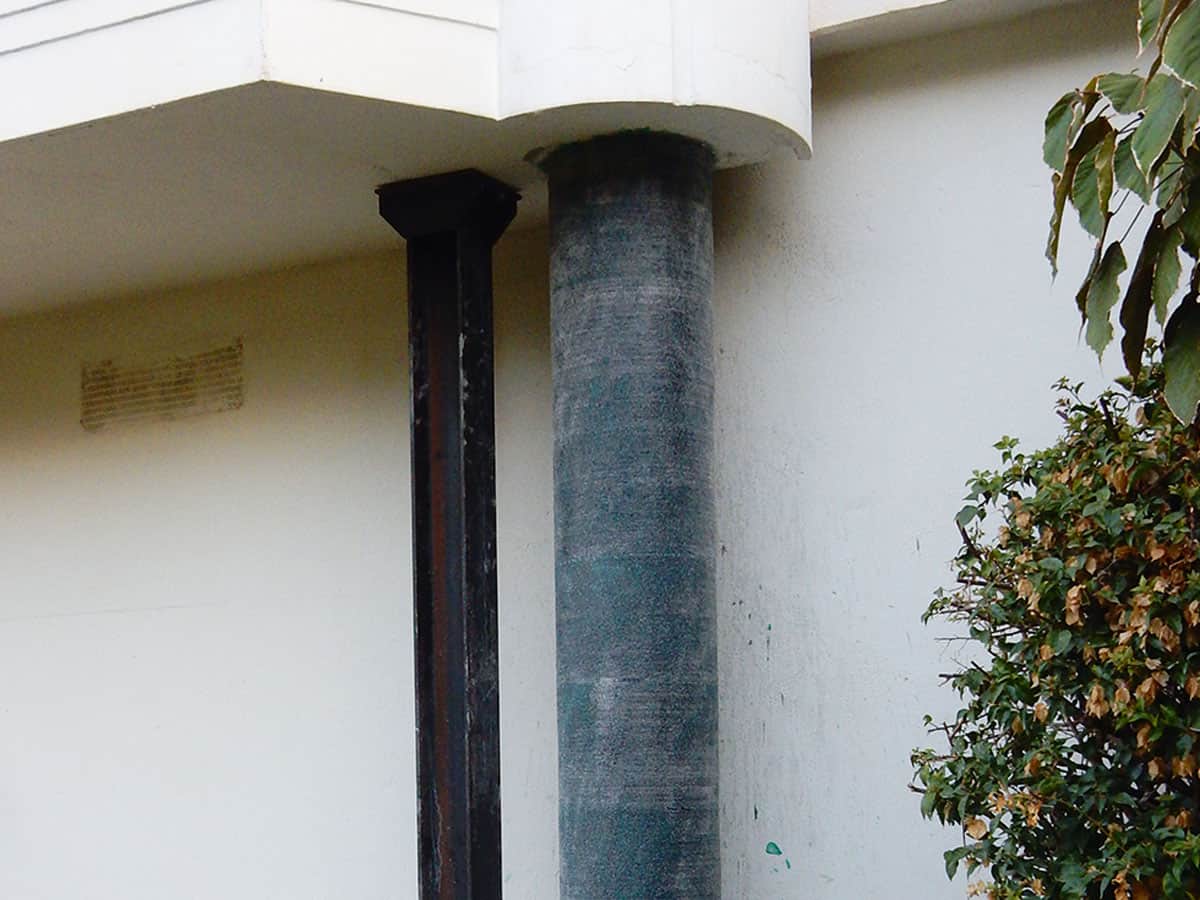
• Vertical reinforcement for plinths and columns supporting walls
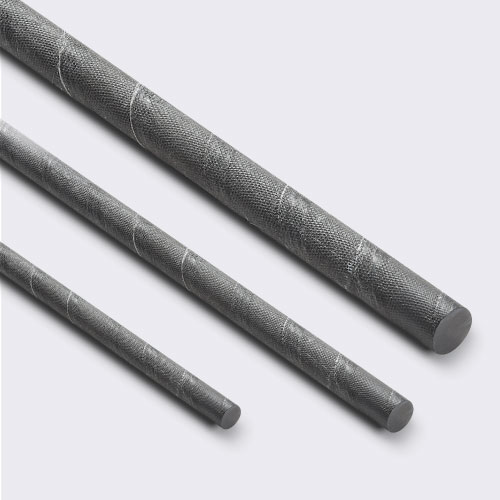
Application examples:
• Concrete Reinforcement
• Anti-seismic structures
• Excellent in general renovation
• Horizontal or oblique reinforcement for beams, slabs, roofs, domes
• Cantilever reinforcement for terraces or similar
• Vertical reinforcement for plinths and columns supporting walls
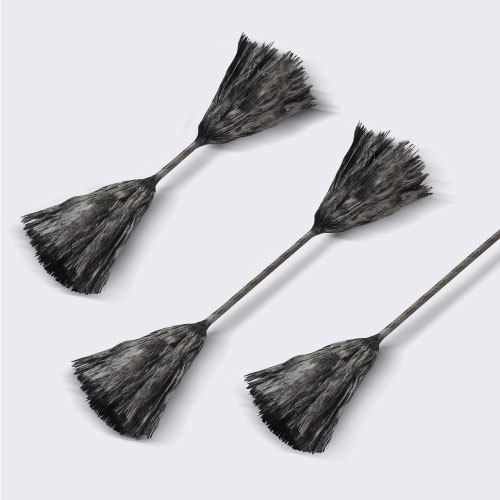
Application examples:
• Single or double sided reinforcement of concrete and brick walls
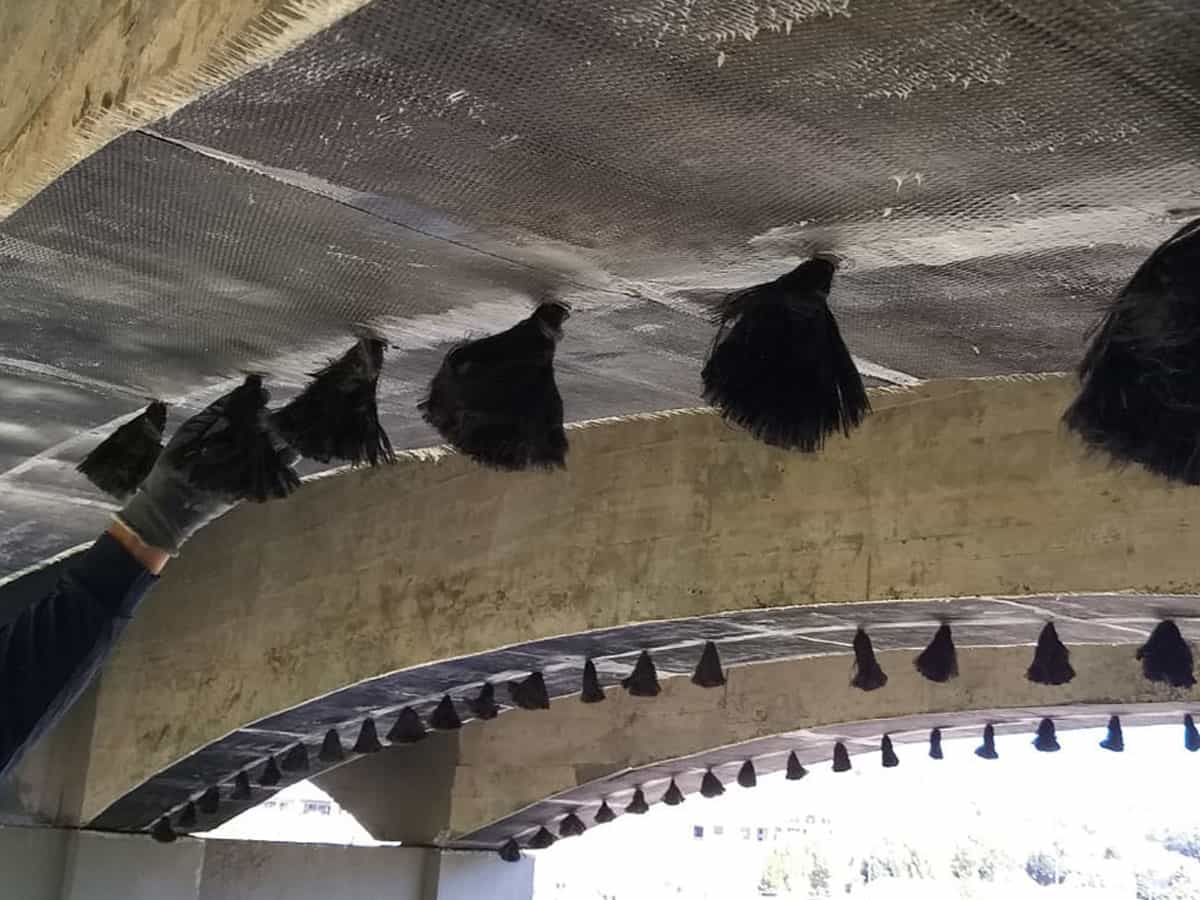
• Renovation of old buildings, historic centers, tunnels, bridges, retaining walls, industrial buildings
Carbon is a material that combines innovation, performances and reliability. If compared to other conventional materials, its lightweight and superior mechanical strength make it the ideal choice for consolidation works and improvement of seismic performance. It is the most suitable solution when you wish to consolidate a structure in an efficient, quick and poorly invasive manner.
Carbon is an advanced composite material combining lightweight, strength and durability.
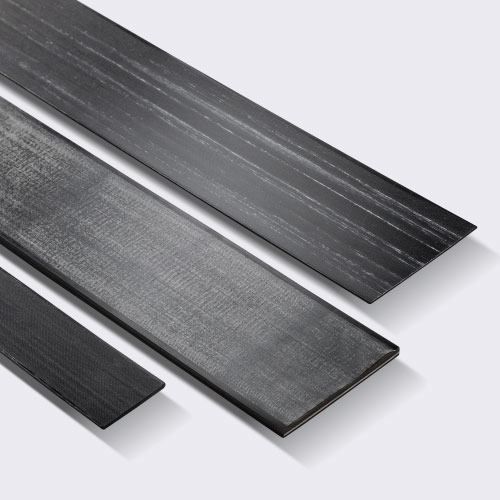
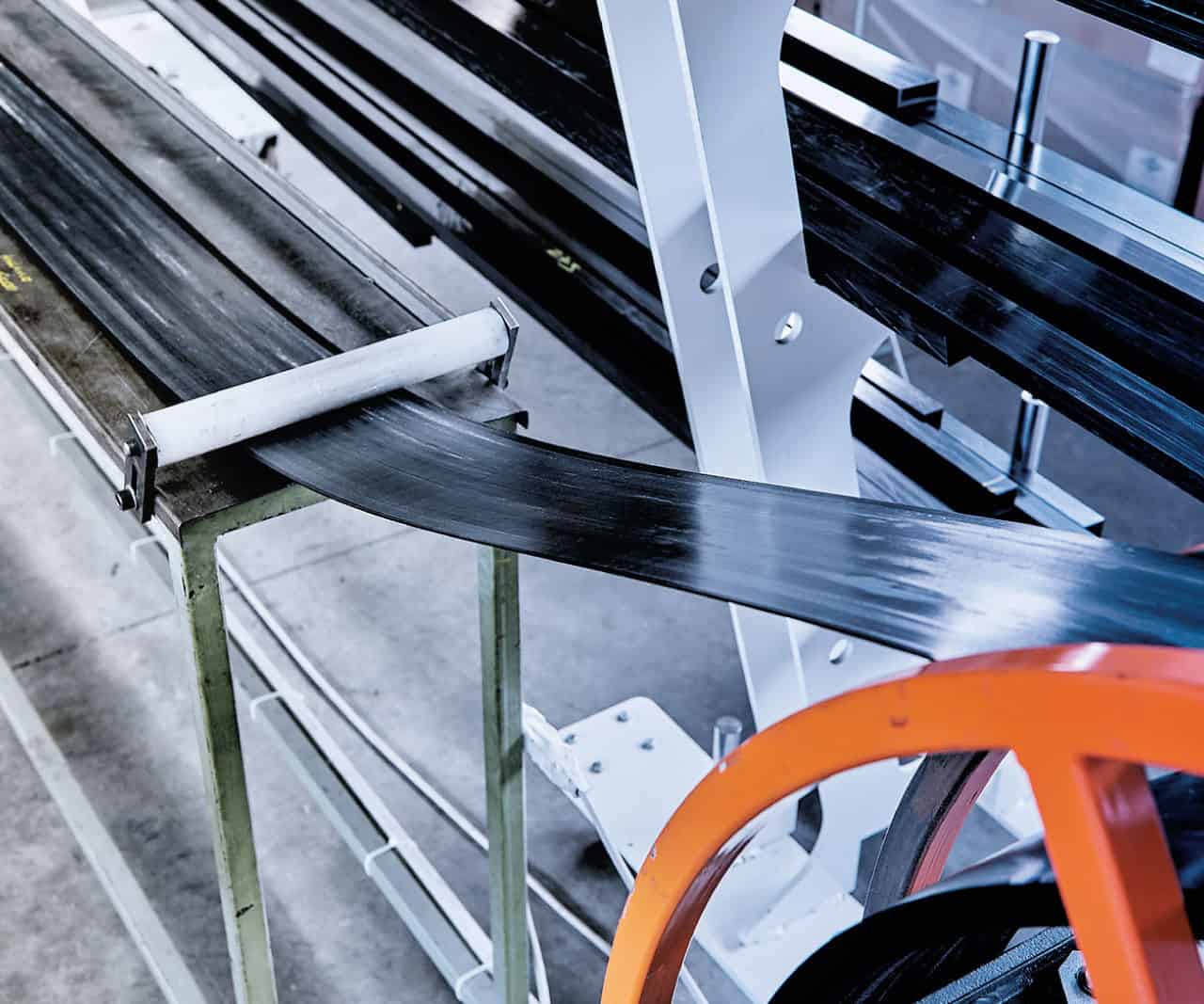
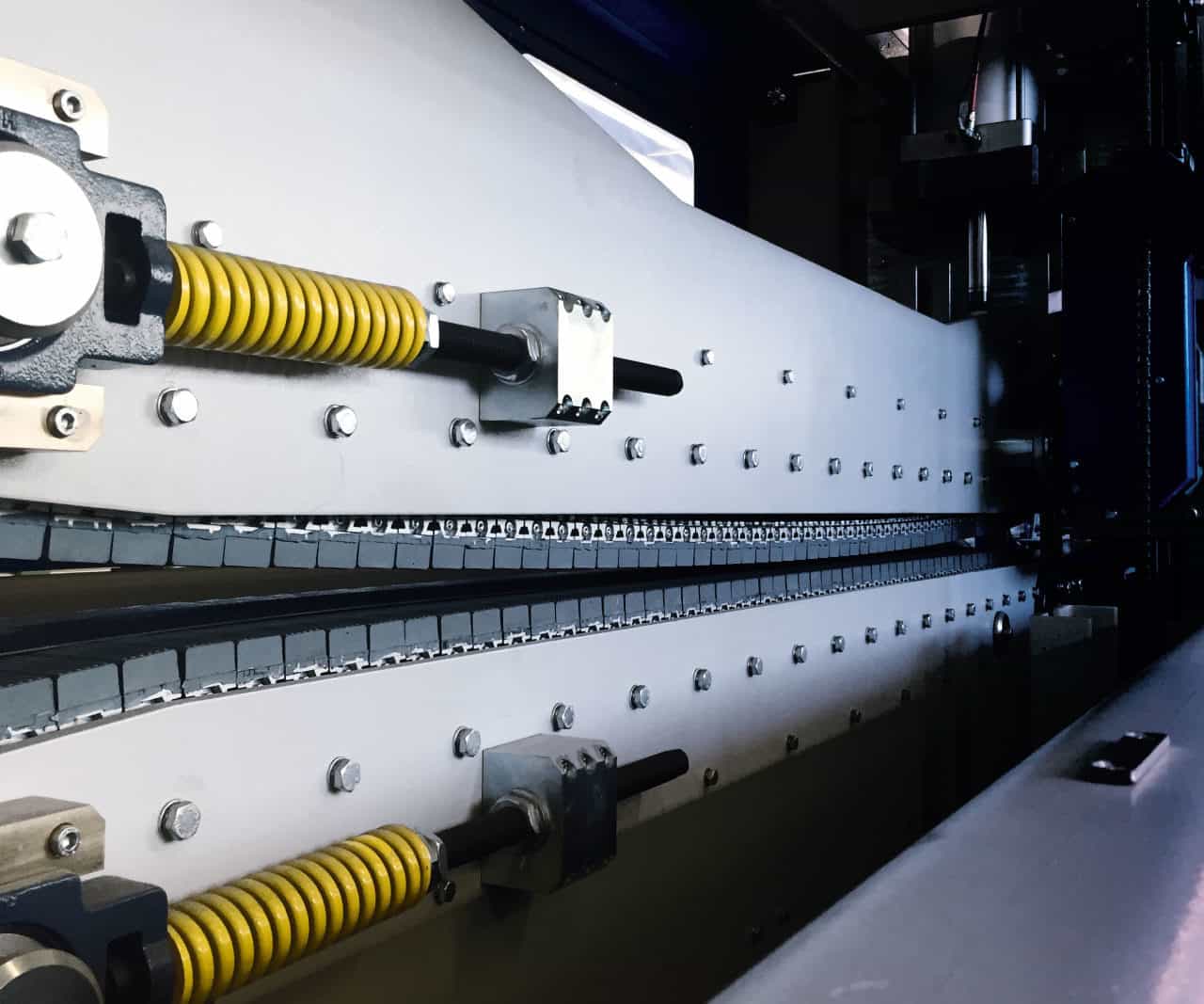
Carbon fibers are processed by pultrusion into products starting from pure fibers of carbon procured from leading producers. Carbonveneta uses high-quality carbon fiber types, such as 3K, 6K, 12K, 18K, and 24K, soaked in epoxy resin to manufacture products with high mechanical properties.
Distinctive technical properties of carbon:
Different structural restoration solutions exist that use systems made of fiber-reinforced composite materials to enhance the strength, safety and durability of existing buildings. The most popular techniques include FRP, FRCM and CRM composite materials.
What are FRP composites?
FRP composites (Fiber Reinforced Polymer) are composite materials made of fibers (carbon, glass or aramid) soaked in a polymeric matrix (typically epoxy resins).
The fibers provide strength and rigidity, and the polymeric matrix distributes the loads and protects the fibers.
Major applications include:
What are FRCM composites?
FRCM composites (Fiber Reinforced Cementitious Matrix) are advanced materials consisting of high-resistance fiber meshes incorporated in a cementitious matrix. The cementitious matrix sticks to the surface of the structure, and the fibers reinforce it mechanically.
These materials are an effective solution to provide structural reinforcement of existing buildings.
Major applications include:
What are CRM composites?
CRM composites (Composite Reinforced Mortar) are reinforcement systems that use fibers in preformed meshes embedded in lime- or cement-based mortars. They are mostly fit for the consolidation of historical walls thanks to their compatibility with traditional materials and their high transpiration properties.
The quality of the products manufactured by Carbonveneta is confirmed by the Certification of Technical Suitability and the Certification of Technical Assessment that certify product compliance with the regulations in force and material reliability for structural consolidation projects. CIT and CVT certifications are Italian technical validations for Fiber-Reinforced Polymer (FRP) systems used in structural reinforcement.
Almost all our customers have the Certification of Technical Suitability/Technical Assessment for our products, which is also supported by our certifications, as this is now an ESSENTIAL requirement for public projects and more and more frequently for private applications as well.
Thanks to our massive and continual investments in research and development, and in our new production systems, we at CARBONVENETA have worked out some reinforcement techniques that make our pultruded composite material particularly resistant along directions other than the main axis. We can therefore manufacture MAT reinforced pultruded composites or products by pullwinding where traditional anisotropy is modified, which offers strength along directions other than horizontal.
The products by Carbonveneta offer sustainable and performing solutions which include:
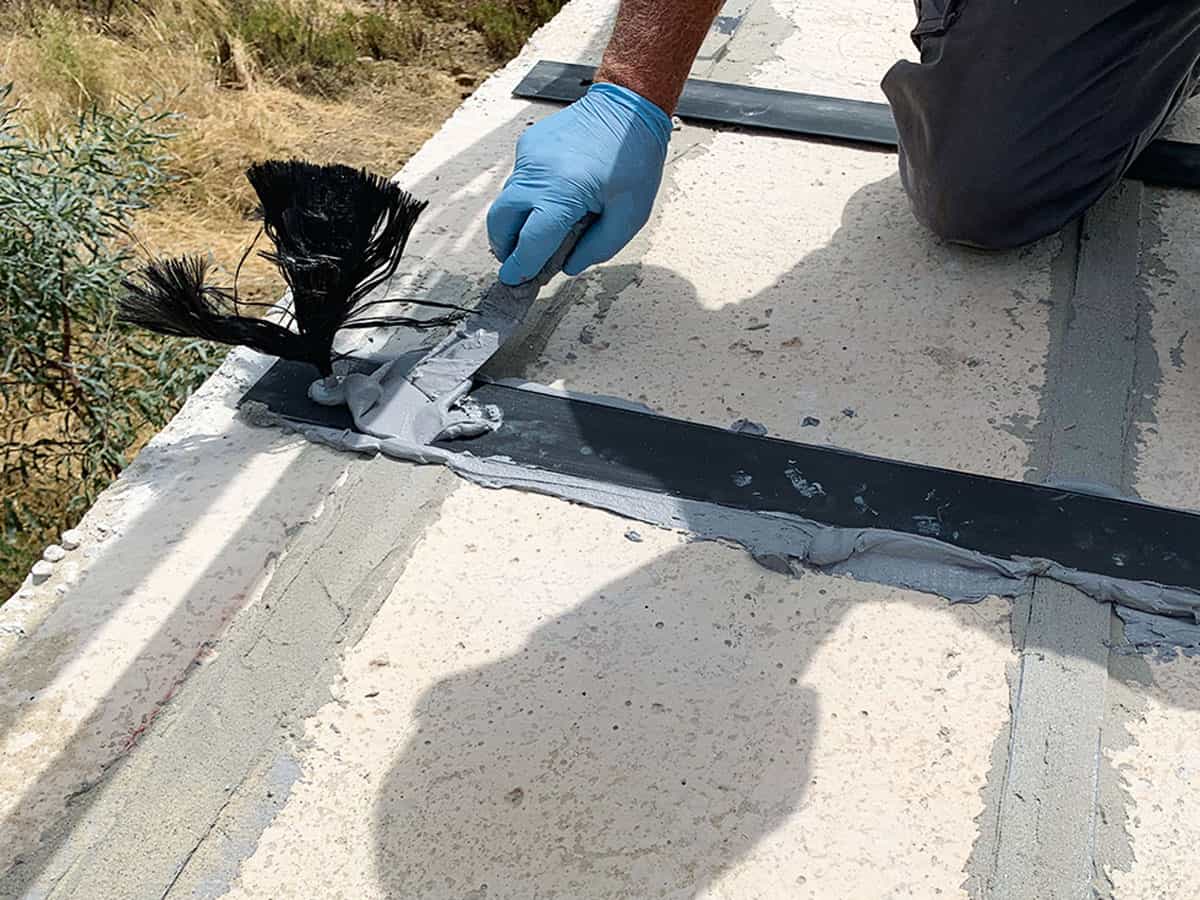
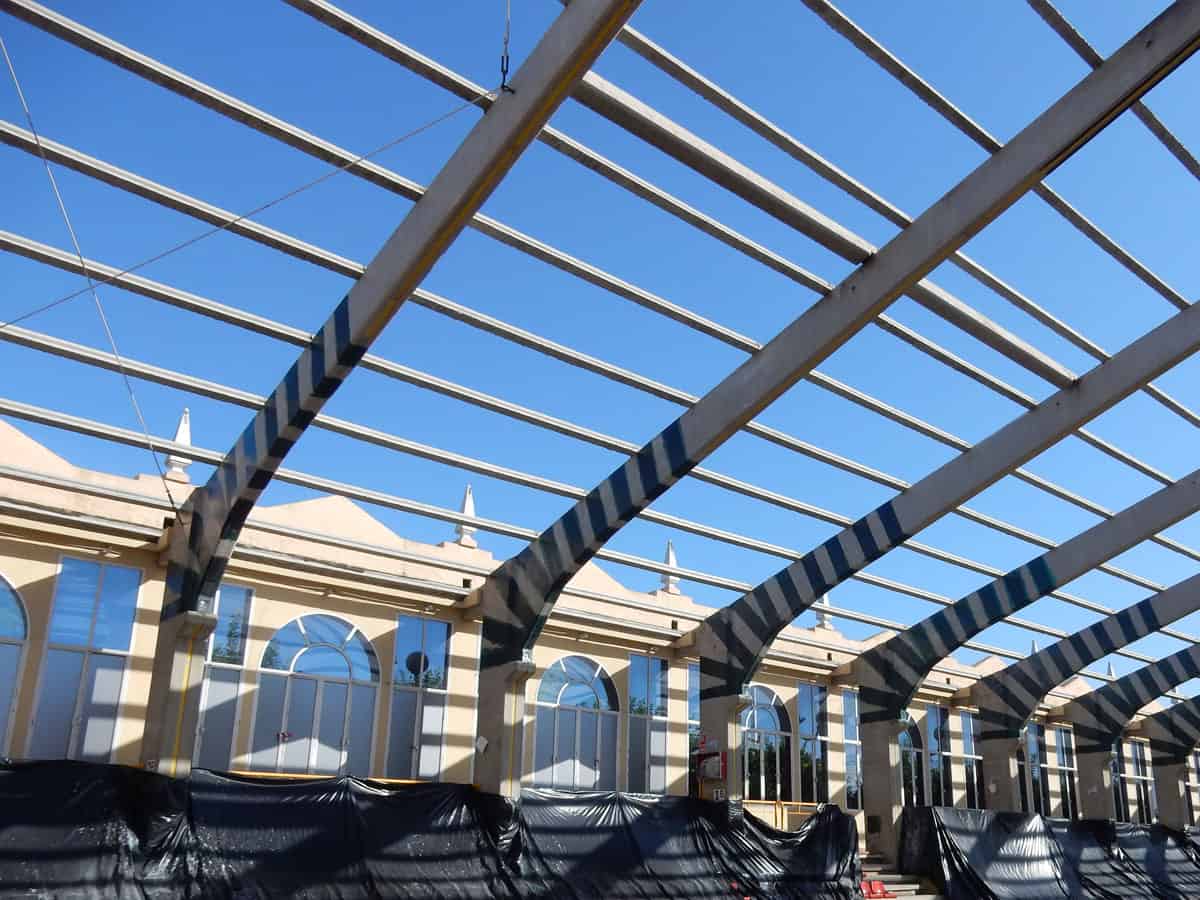


© 2024 Carbonveneta. P.IVA 03804520249. All rights reserved.